
Compressed Air Dryers & Filtration for the Ceramics & Sanitaryware Industry
Ceramic tile and sanitaryware manufacturing depends on compressed air throughout the process -- pneumatic presses forming tile bodies, spray dryers atomising slip, and glazing lines applying finish coats all need air that is dry and free of oil contamination to protect surface quality.
GEMSpares.in supplies global-series compressed air dryers and cartridge filtration sized for ceramics and sanitaryware plant duty cycles, helping manufacturers in Morbi, Gujarat and across India protect glaze finish and reduce pressing-line downtime.
Why Ceramics & Sanitaryware Plants Need Dry, Oil-Free Air
Glazing lines are especially sensitive to compressed air quality -- oil or moisture aerosols carried into the spray-glaze air cause surface defects (pinholing, crawling, uneven gloss) that only show up after firing, when the piece is already unsalvageable. Pneumatic presses used for tile and sanitaryware body forming also depend on consistent, dry actuation air to hold forming pressure and cycle time steady across a shift. A correctly sized dryer paired with cartridge filtration removes moisture and oil before they reach the glazing booth or press cylinder.
Key Benefits
- Defect-free glazing: Dry, filtered air reduces pinholing, crawling and gloss defects on glazed tile and sanitaryware surfaces.
- Consistent press cycle times: Dry actuation air keeps pneumatic body-forming presses holding pressure and timing steady across a shift.
- Protected spray-dryer atomisation: Clean, dry air supports consistent slip atomisation in spray-drying towers.
- Lower post-firing rejection: Preventing air-quality defects before firing avoids costly, unsalvageable post-kiln rejects.
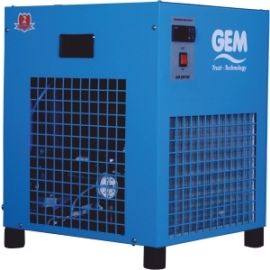
- Right-sized for plant scale: Global Series dryers scale from small sanitaryware units to high-volume tile production lines.
Recommended Air Treatment Equipment for Ceramics & Tile Plants
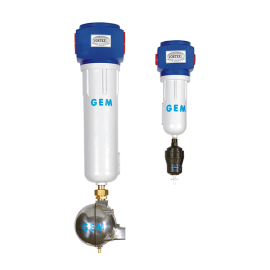
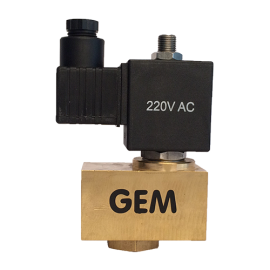
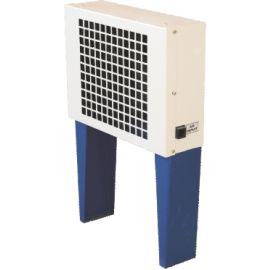
Explore GEMSpares.in's recommended equipment for the Ceramics & Sanitaryware Industry, sourced from GEM Equipments' own manufacturing range:
-
-
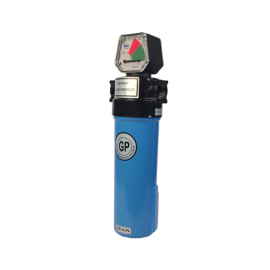 General Purpose Filter Catridge 3 Micron Rating Capacity 80 CFM @ 7-16 Bar Working Pressure
Price available on request
Get Latest Price -
-
-
Frequently Asked Questions
What causes glaze surface defects from compressed air?
Oil or moisture aerosols carried in spray-glaze air are a common cause of pinholing and uneven gloss -- a correctly sized dryer and filter combination upstream of the glazing booth typically resolves recurring defects.
Do pneumatic presses need the same air quality as glazing lines?
Presses are less quality-sensitive but still need consistently dry air to avoid inconsistent cycle timing and cylinder wear over continuous multi-shift operation.
What size dryer suits a tile manufacturing line?
This depends on your compressor's CFM output and the number of pneumatic stations in use -- our Global Series spans 40-150+ CFM; share your compressor details for a sizing match.
Related Applications
Need help selecting the right model for your ceramics & sanitaryware industry plant? Enquire with our engineering team for genuine GEM Equipments parts and pan-India delivery.

Log In